Overwatch, Artistic Vision & Long Term Survival
Written by Sebastian Ingham
Sept. 11, 2026
Images courtesy of Blizzard Entertainment.
Live service games can often feel like lifeless, moneymaking husks masquerading as truly meaningful experiences, and one of my favourite games almost ended up being the most depressing example.
If you were following internet pop-culture during the summer of 2016, you will have heard of Overwatch. Blizzard’s shiny new hero-shooter that was so much more than the sum of its parts took the internet, and popular culture by storm from day one, bringing fans from all walks of life together to experience a moment in gaming history. There had simply been nothing like Overwatch before. But, as time went on, and the realities of maintaining that initial magic became more evident, Overwatch begun to slip from its lofty heights, reaching a point of near obscurity just a few short years after its record breaking launch.
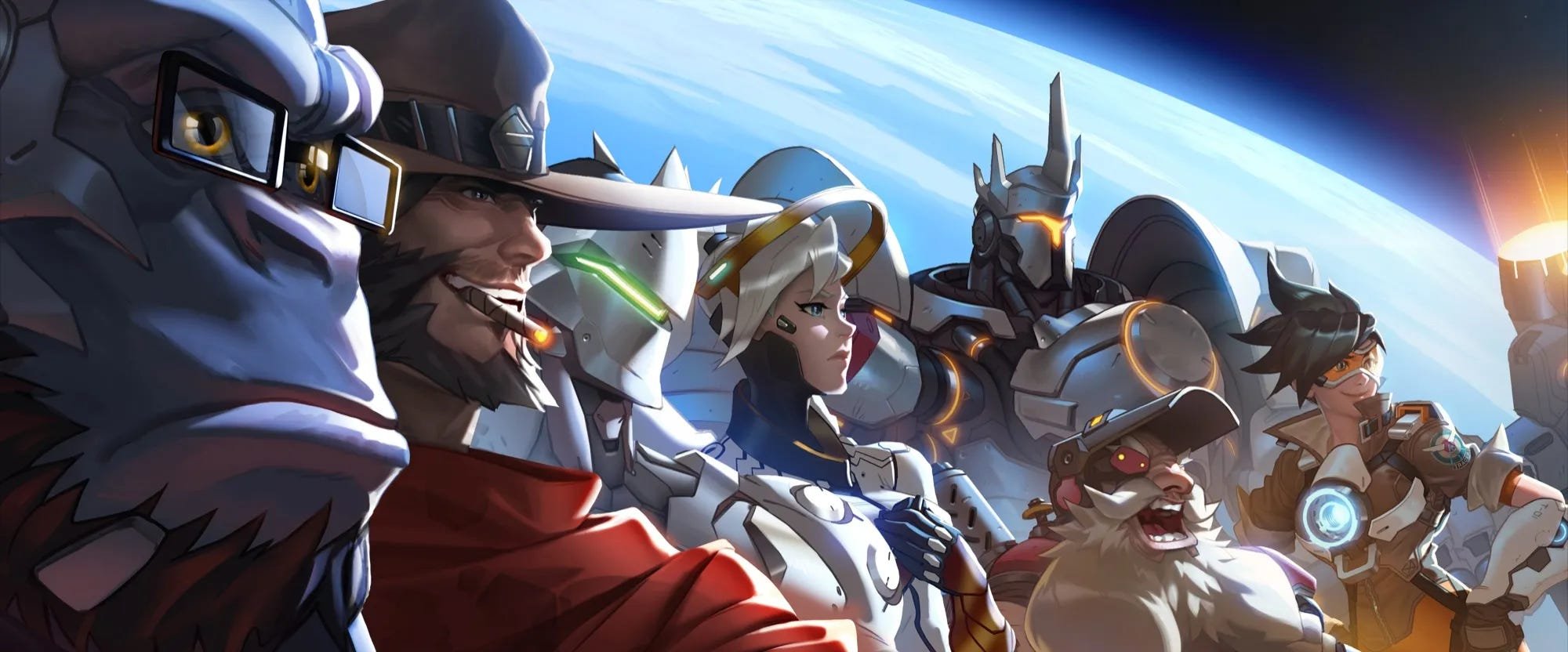
While nostalgia certainly plays a big role, I cannot help but feel the hopeful excitement that Blizzard was able to create with these early teasers.
Overwatch was a game created from the remnants of Blizzard’s failed Project Titan. Planned to be an expansive MMO title and a modern successor to the World of Warcraft series, Project Titan had already undergone years of conceptual design before the decision was made to suspend the project and transition its assets into Overwatch’s development. The framework that Titan had laid out was perfect for forming the foundations of Overwatch’s universe by establishing a set of strong initial character designs and providing a basic framework for how the world was going to work.
Game Director Jeff Kaplan would later state that Overwatch’s initial development was centred solely around the creation of larger than life characters. In an almost superhero-esque approach, the game would draw in new players with the prospect of exploring the games vast array of varied and diverse heroes, and wielding their unique skillsets in epic showdowns against equally varied and powerful opposition. Not only would each character have their own unique backstories and motivations, they would also exhibit these personalities in their attributes, voice lines, and play styles on the battlefield.
Although the game did not contain any sort of traditional campaign or narrative experience, a series of excellent cinematic trailers, hero vignettes and comic strips would elevate the hype around the game’s early development into a cultural phenomenon. People were falling in love with the universe’s characters before they had even opened the game, and fandoms were forming around each and every character from the moment they were introduced.
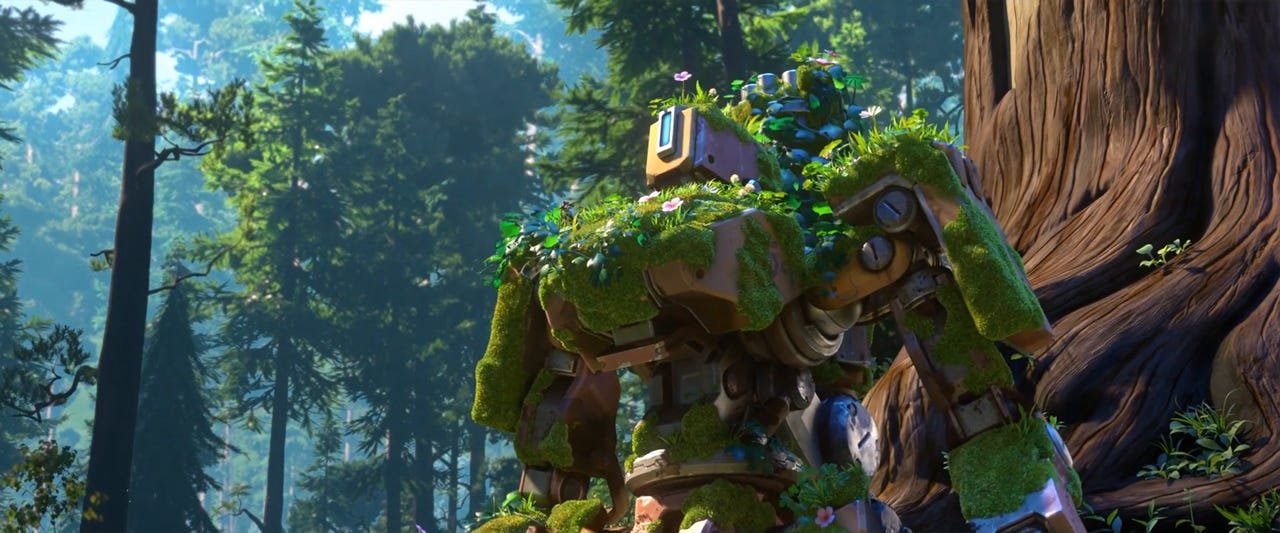
Possibly the most evocative of these exceptional early cinematics, ‘The Last Bastion’, currently sits at 28.5 million views on YouTube.
All of this hype around the trans-media aspects of Overwatch was only compounded by its rock solid gameplay. The game’s mechanics were firmly structured around Kaplan’s ‘fun first’ philosophy, prioritising mechanics and abilities that empowered players and encouraged experimentation and creativity over strict balance requirements.
The initial release build of Overwatch was more akin to a casual-oriented multiplayer game like Team Fortress 2, rather than a competitive hero-based e-sports title like League of Legends. Teams would face off in 6 versus 6 matches — a notable departure from the 5 versus 5 format that had been widely adopted by competitive FPS titles of the time like Counter Strike: Global Offensive and Rainbow Six: Siege.
The game also shipped with no hero locks, meaning all six players in a team could roll out on the same character if they so desired. While clearly unbalanced by today’s standards, being able to rush six Tracers onto the point in overtime, or turning the payload into an unstoppable death barge with multiple Bastions, Torbjorns or Symmetras (all protected by Reinhardt’s eye watering 2000 hit point shield) was undeniably fun.
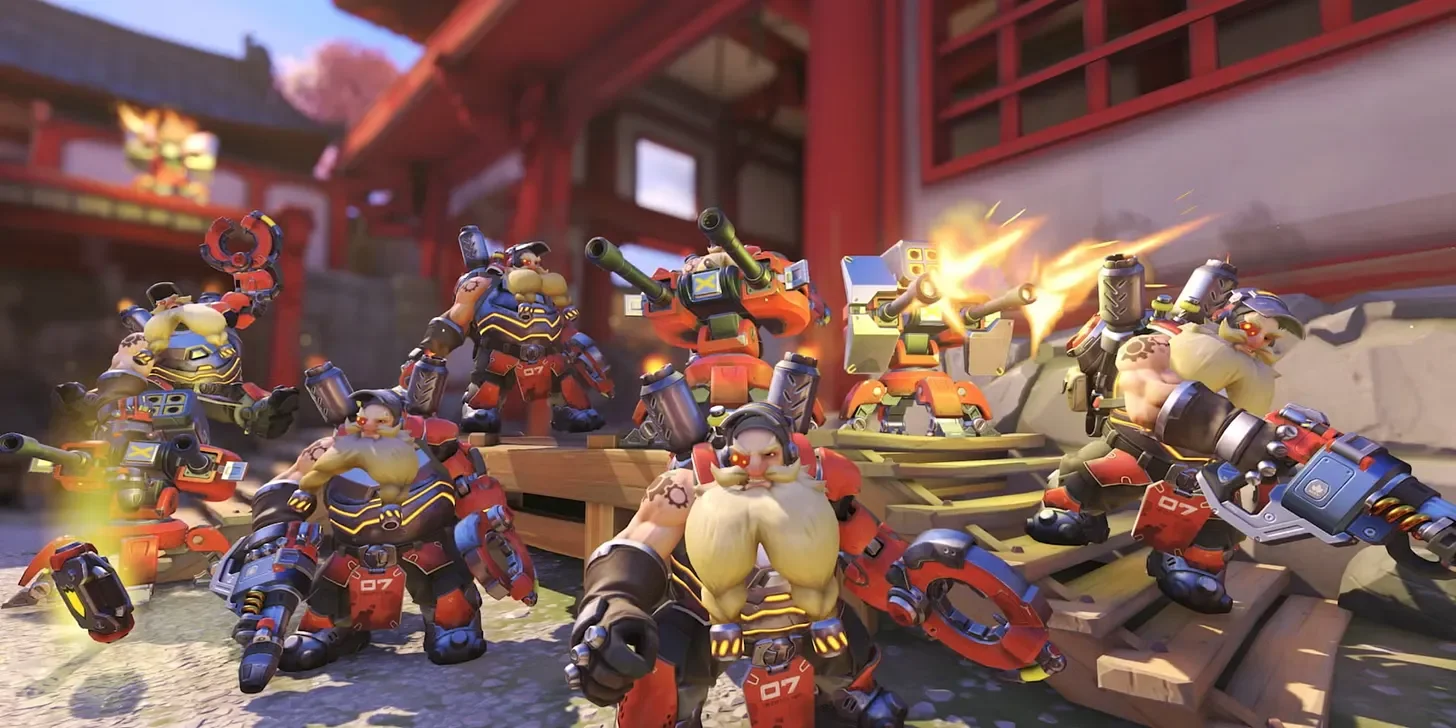
The lack of hero limits allowed for more than simple meme comps — running multiple Soldier 76s or Tracers were completely viable strategies back in the day. But the Torb fortresses were always the most memorable.
During this early post-launch period, I would best describe the atmosphere surrounding Overwatch as carefree, energetic and hopeful for the future of the game’s development. The sheer hype and mainstream attention Overwatch had built up until this point created a wave of positivity around Blizzard’s newest IP that was impossible not to get swept up in. However, in the years that would follow, the game would struggle to adapt to the live service format it had begun to adopt.
Having a successful launch phase is only part of the challenge live service games face: if they fail to retain a strong player base beyond their first year or so, the return on investment required to maintain the game is not met and without renewed attention, the project can easily drift into obscurity.
The effects of these struggles were thankfully not quite so dramatic in the case of Overwatch, however the game did begin to stagnate in the years following its launch. Pivoting its appeal to be more competitive in nature to compete with other major e-sports titles, Blizzard founded the Overwatch League in 2017 — an officially licensed, big-budget e-sports league designed to compete with mainstream sports, structured around a city-based format similar to North America’s NFL and airing on US television rather than exclusively on internet streaming services.
Despite this supporting investment, ironically, the game itself received little attention for several years with meaningful updates and in-game events becoming less and less frequent as time went on. New characters continued to be gradually added, but the excitement around their releases began to slowly diminish, especially following some less than ideal power balancing with the introduction of certain characters. Anyone who played the game during early 2018 will shiver at the mention of launch-spec Brigitte — and with good reason.
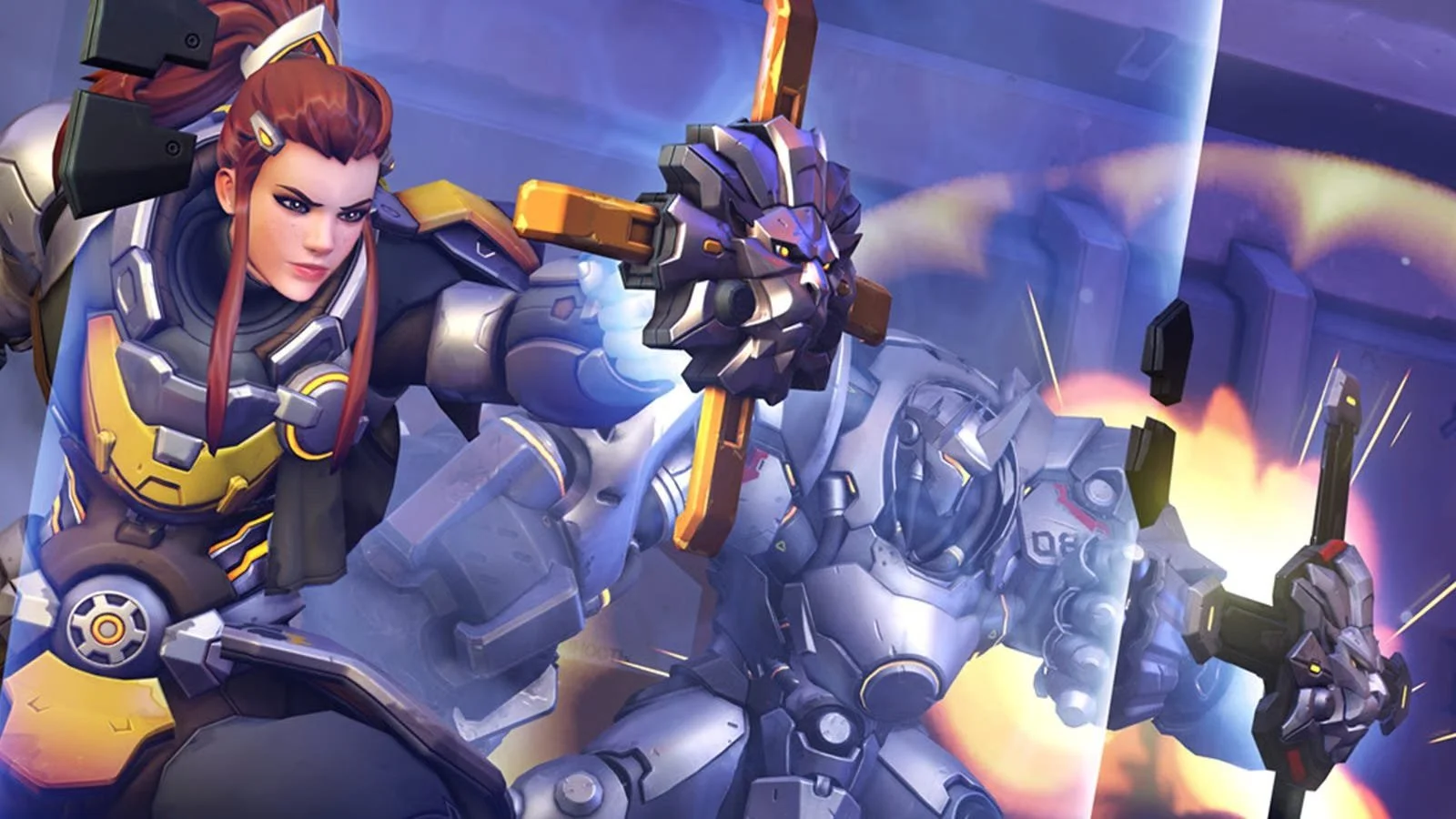
Brigitte’s introduction spawned the much maligned Goats Meta, where three supports and three tanks would form near unkillable death balls, reducing previously dynamic and highly skill-based team fights to minutes of spam clicking until one team could finally fell a single opponent.
In the years following, Overwatch would retain a cult fanbase, but became a shell of its former self in the eyes of the wider gaming community, gradually falling out of the pop-culture zeitgeist and into the category of respectable games who’s mainstream relevance is now behind them.
It would not be until November of 2019 that Blizzard would finally announce the next chapter of Overwatch’s development: a slew of gameplay changes, a major increase in hero releases, and entirely new co-operative game modes, all badged under the game’s new identity of Overwatch 2.
This was to be the most significant departure from the game’s fundamental aspects since launch, and was met with both excitement and skepticism from the community. The rebranding promised a progression from the purely PvP gameplay of the original Overwatch to now incorporate significant PvE elements in an effort to diversify the experiences available within the game.
There would also be a shift away from a traditional one-time purchase monetisation system to a free-to-play model which encouraged players to spend money on in-game items like skins and weapon charms to sustain the game into the future.
This had actually been the plan for Overwatch’s long term development since its inception from the remains of Titan, being envisioned as an evolution from a purely PvP format into a true MMO with a multitude of different types of gameplay for players to explore independently.
Overwatch had previously experimented with PvE content as early as 2017 with the Uprising event. While these events were received positively by the community, they suffered from limited replayability and feeling somewhat forced into Overwatch’s purely PvP focused engine and hero cast. However, with proper development focus and integration into the game’s existing set of core modes, there was certainly a precedent for more advanced PvE implementation in the future.
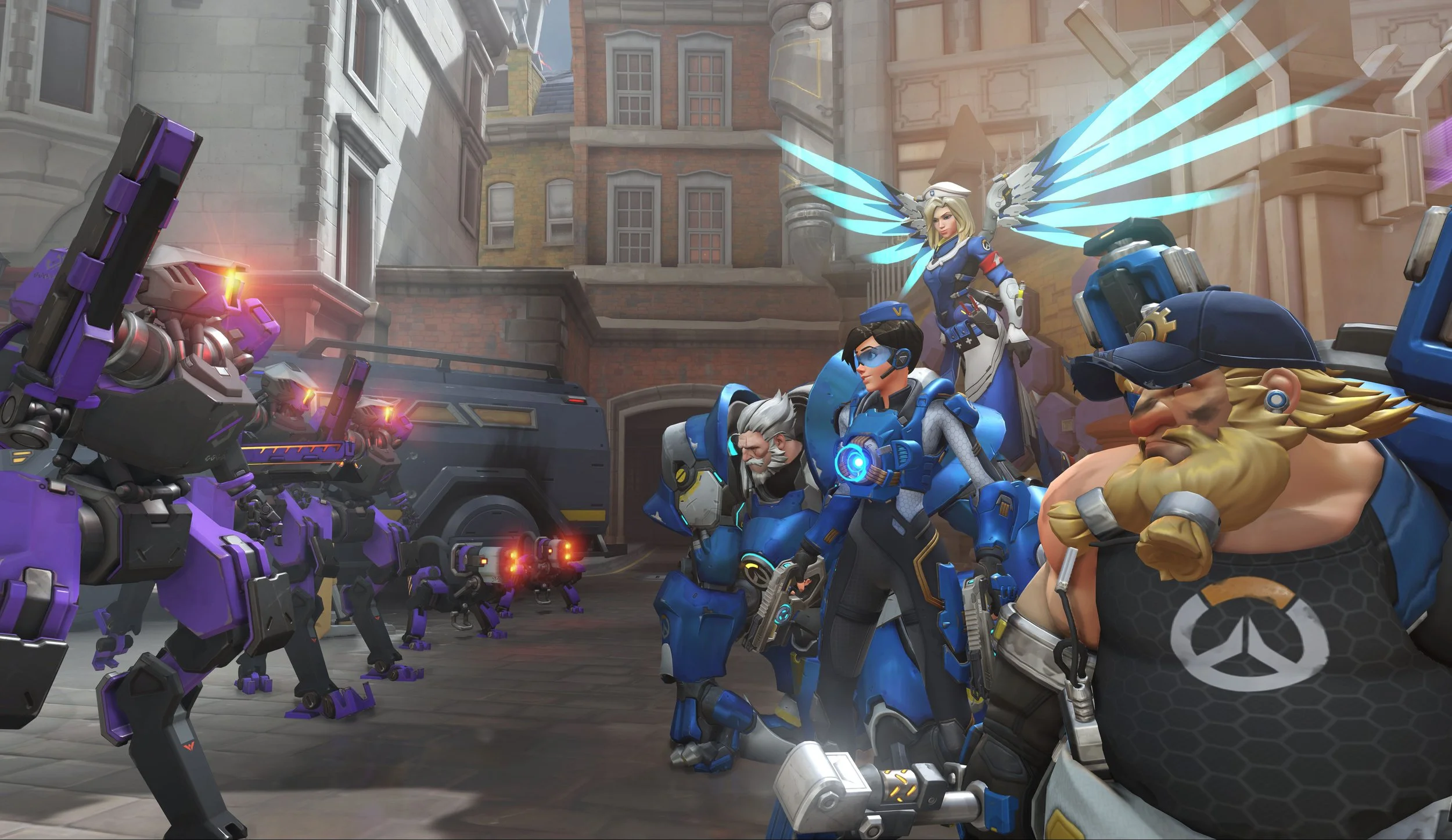
Uprising 2017 and its sequels was a great experiences, but looking back, it was probably the most effective PvE content the game would ever receive.
Titles like Fortnite have been able to grow exponentially around a core gamemode in this way before, however Epic Games pulled the trigger very quickly on expanding their IP following its immense rise to popularity in the late 2010s. Blizzard, by contrast, were highly conflicted in the long term direction that Overwatch should take, leading to it’s initial wave of mainstream appeal dying off before they were able to deliver significant follow up content.
To make matters worse, the Overwatch 2 launch we eventually got in 2022, after years of grandiose promises and ever-increasing stagnation, was a shadow of what Blizzard had been pointing towards for the last three years. The PvE content was half baked and seemed to show almost no signs of development when compared to the original Overwatch events, and the monetisation changes — particularly the short-lived idea to lock new heroes behind a certain tier of the battle pass — felt like an incredibly cynical attempt to capitalise on the renewed interest in the IP and rinse the game’s most devoted players for as much money as possible.
For a game that has historically revolved around character synergies and tactical team compositions, the move to limit a fundamental aspect of the gameplay, with the only stated reason being Blizzard simply believing they could make more money off of the game this way, marked what many in the community would see as the final straw for the future of Overwatch as it was originally envisioned — myself included.
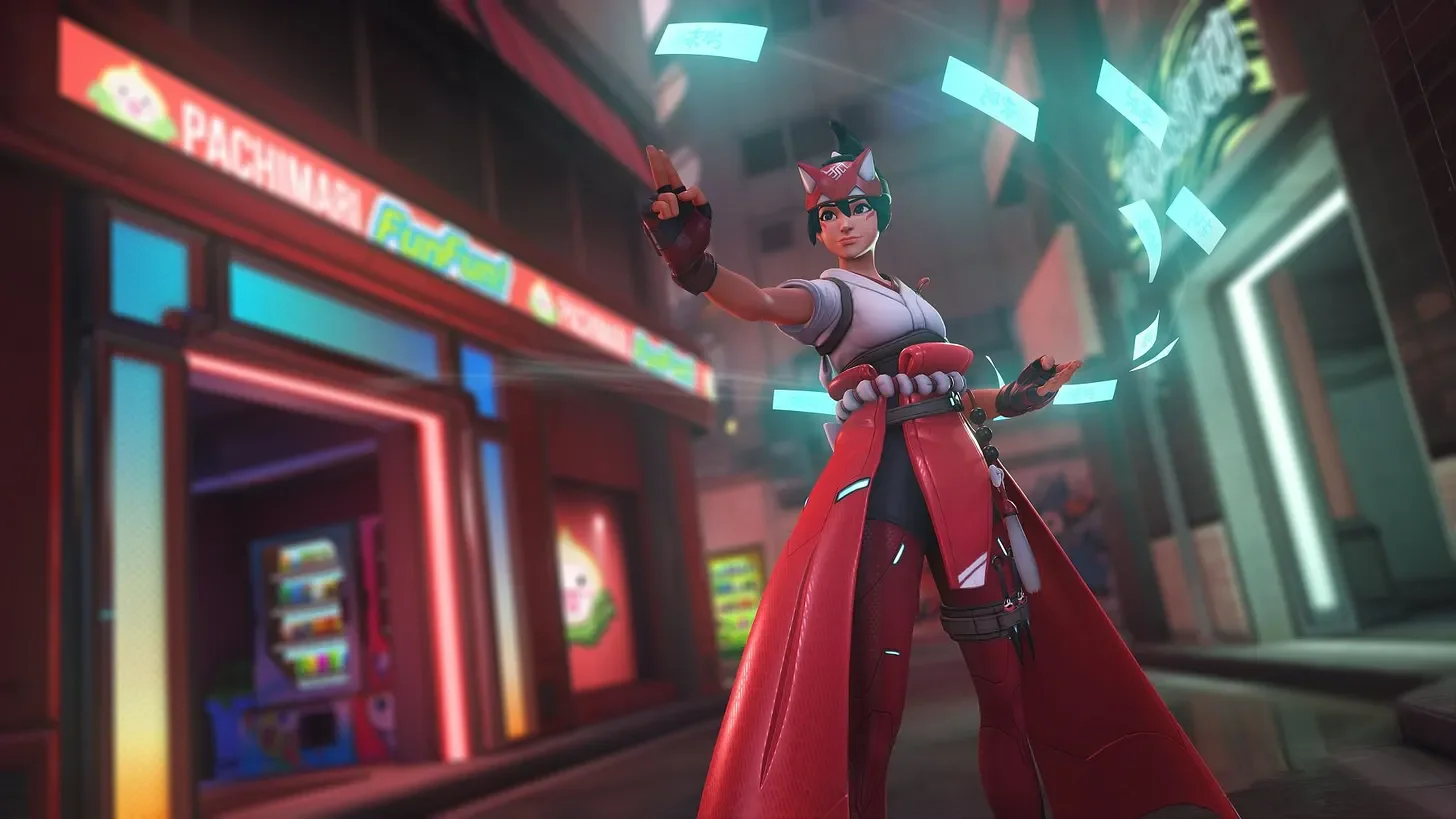
The launch and subsequent restriction of Kiriko, the hero accompanying the release of Overwatch 2 and inarguably one of the most powerful heroes in the game, only served to shine a spotlight directly on this issue.
The game also stepped away from it’s unique 6v6 gameplay in favour of more conventional 5v5 matches. Where previously teams would face off with two tank players, two damage players and two supports, teams would now play around a singular tank per side instead. This was predominantly an attempt to reduce queue times by removing the requirement of two players from the sparsely populated tank role, and potentially improving playmaking potential since individual characters now provided a larger share of the team’s overall strength.
Not only did this require a complete rebalancing of individual hero health pools, ability’s strength, and team dynamics, but also significantly reduced the tank role’s flexibility and specialisations since they are now the sole source of damage negation and need to perform as such on the front line of team fights, even if their initial designs were not suited to this play style.
This resulted in frustratingly powerful tank engagements and, contrary to projections, often less fulfilling gameplay. Damage role gameplay became less rewarding as kills are now harder to secure due to the health pool increases, and support players were restricted to a smaller number of potential heal targets and now had one less player to help protect them despite remaining comfortably the most valuable targets for enemy aggression.
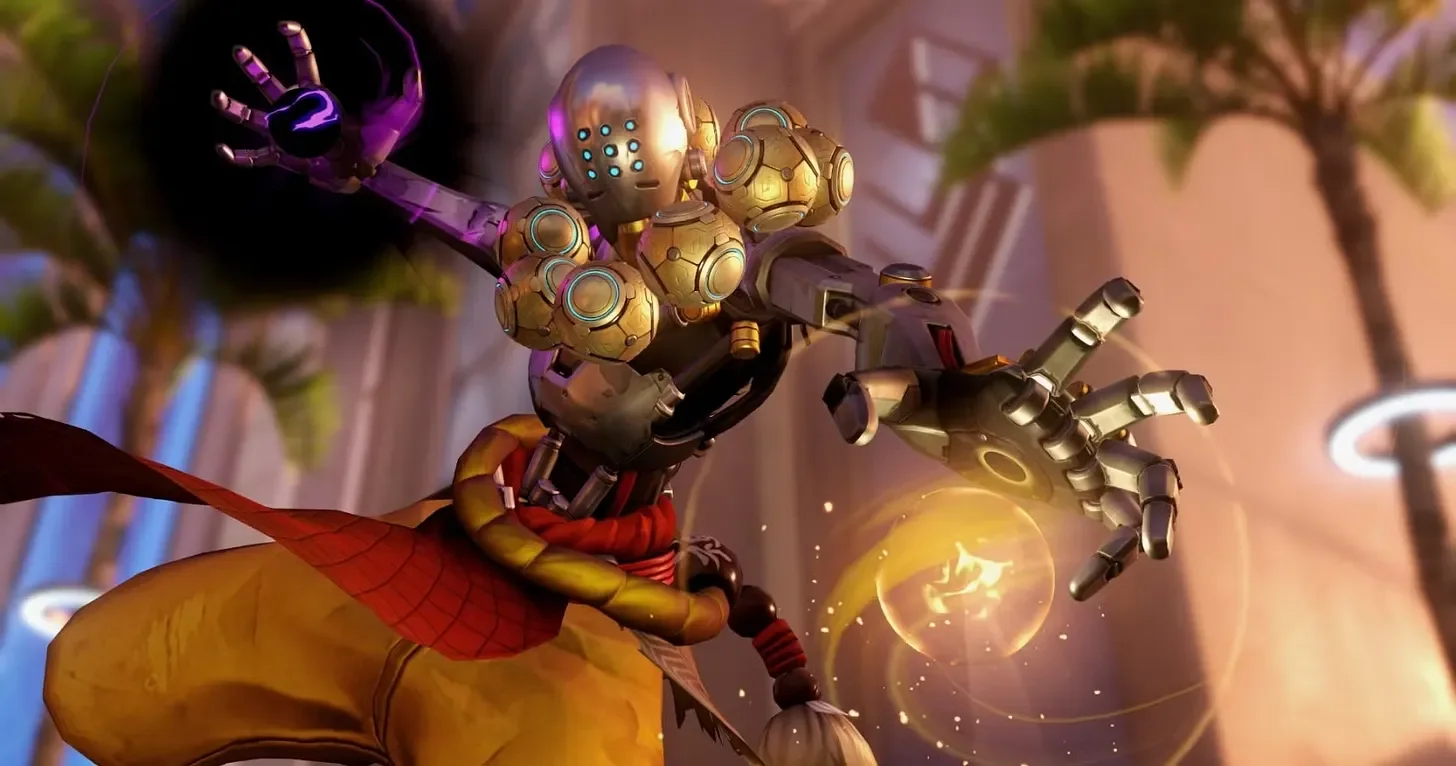
Longstanding hero Zenyatta found himself lacking in the early days of 5v5 as his lack of mobility left him vulnerable to attack from increasingly mobile new heroes, and his weak healing left him unable to effectively support the increased health pools that most heroes now had.
Over the last four years, Blizzard has been gradually attempting to recover Overwatch’s reputation. The 2023 announcement that planned PvE content would be scrapped and that the development team would be refocusing on making the core PvP gameplay as good as possible was a positive, if bittersweet, step in the right direction.
While coming with it’s own set of gameplay complications, the increased rate of heroes being added to the game has consistently shaken up the meta and given fans reasons to keep coming back. 6v6 gameplay has even made its permanent return as a popular alternate gamemode.
Don’t get me wrong: I love Overwatch, I’ve loved Overwatch since it’s initial release back in 2016, and I think the modern game is in a very good state all things considered. The gameplay is just as frenetically satisfying as ever, and the majority of modern balance and quality of life adjustments have culminated in a very well polished and highly engaging multiplayer experience. The game is also once again trending upwards following a strong few years of development, most recently emphasising this renewed vigour with the symbolic removal of the ‘2’ in Overwatch.
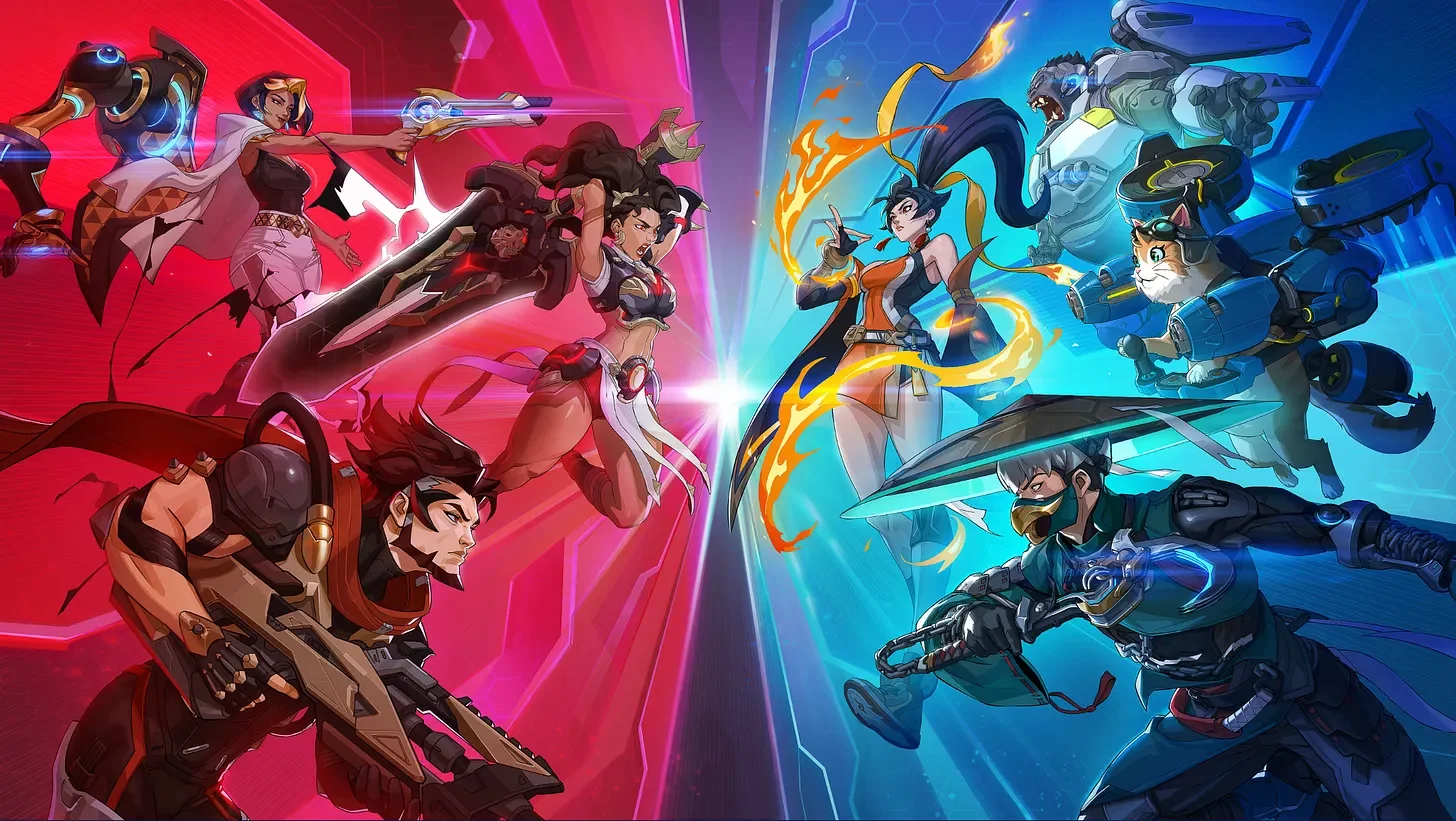
Blizzard’s second ‘soft reboot’ of Overwatch was much more successful, implementing several new characters and demonstrating a far more focused vision for the game’s future.
However, I am not alone in feeling that the game has lost something along the way. Maybe its the heightened focus on balance and competitive viability? Maybe its the gradual hero power creep making the original launch cast feel antiquated and in some cases outright obsolete? Or maybe its the fingerprints of the greedy executives that seek ever-growing profits at the cost of the game that made their success possible.
Perhaps if the game doubled down on its initial success rather than taking the antiquated approach of planning a sequel so shortly after release, it would have been able to maintain its level of cultural relevance and, ultimately, make any notion of an Overwatch 2 redundant.
At least we can now say that the game is, finally, heading in a positive direction once again, and while there is always room for improvement with the current formula (especially regarding monetisation), there is still a little bit of that magic from the game’s early years in every match I play — and for a substantial period in the game’s history, it wasn’t easy to say that.